
Webinars & Events

Pippin is approximately 5 years old and lives in a house with his male and female owners. Pippin started to attack his owners, and they are now seeking help. NB: This cat has a complex history, so you need to take some time to read the material before the session. Trigger warning: this case contains some graphic injury photographs. (Please note this is a repeat of a previous study so please check/ask if you think you have already attended this one before signing up, as refunds cannot be given for case studies)
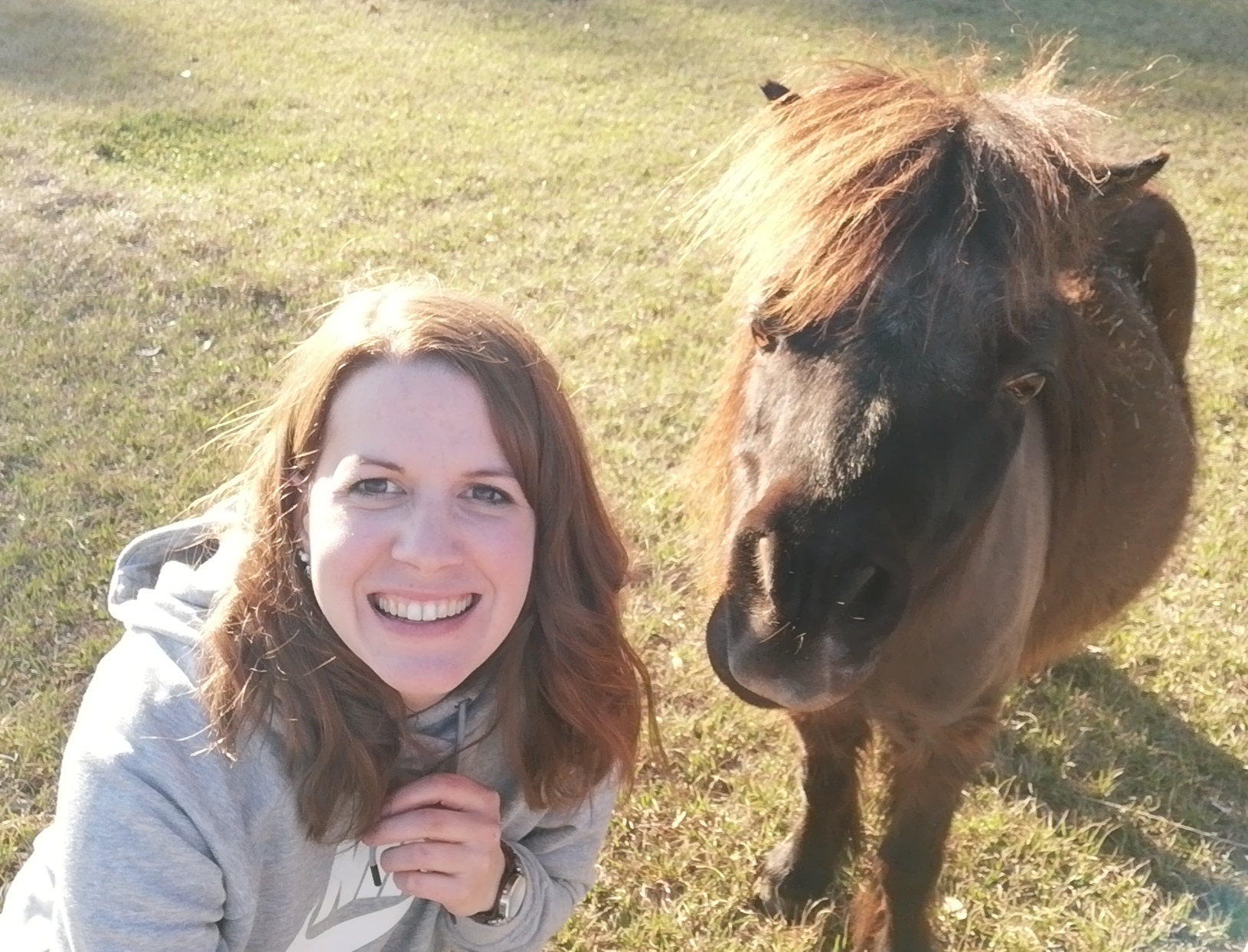
Environmental enrichment is increasingly popular to establish positive welfare in the management of zoo animals and livestock, yet scientific evidence in domestic horses remains limited. This webinar presents findings from an international survey of 132 barn owners and managers across 16 countries, examining the prevalence and perceived effects of forage, structural, and sensory enrichment on horses in turnout areas. Results revealed a significant association between enrichment provision and positive behavioural change, including increased foraging, play, and exploration behaviours, alongside reduced antagonistic and stereotypic behaviours. The session will explore welfare implications, practical applications, and the need for further controlled research to strengthen evidence-based enrichment strategies.
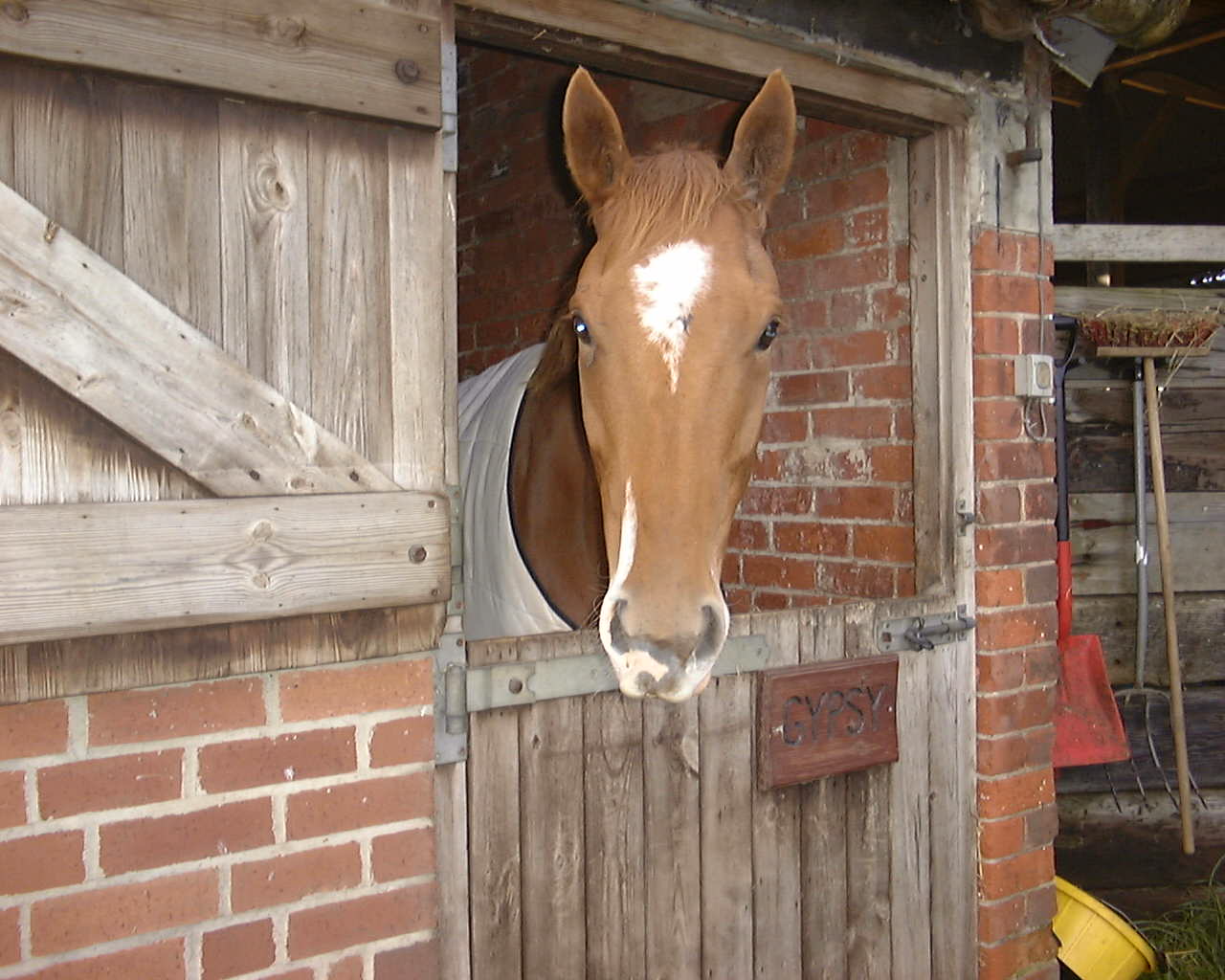
As the cooler weather approaches and winter coats grow equine carers often look to start clipping their animals. In this vet Q&A session Loni and Hannah will present practical tips that can be shared with clients to make clipping low-stress for them and their equines, as well as providing suggestions around the use of situational medication for equines who really struggle with clipping.
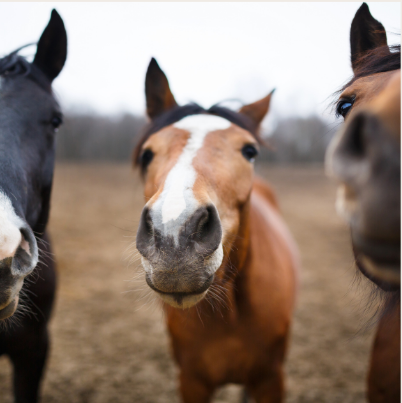
The FAB Clinicians Equine subcommittee extend an open invitation to all interested equine members (Students, Candidates, CCABs, CSMs) to a social gathering (via Zoom) to discuss and reflect on visiting clients, the differences between livery yards, competition yards and private yards and how we can prepare for these situations. Loni Loftus will be discussing risk assessments and Jenni Nellist will be discussing history taking which will lead us into a discussion. Our equine community is growing, and the Equine Subcommittee is keen to connect with our members who share our interests, we encourage all those with an equine interest to come along.

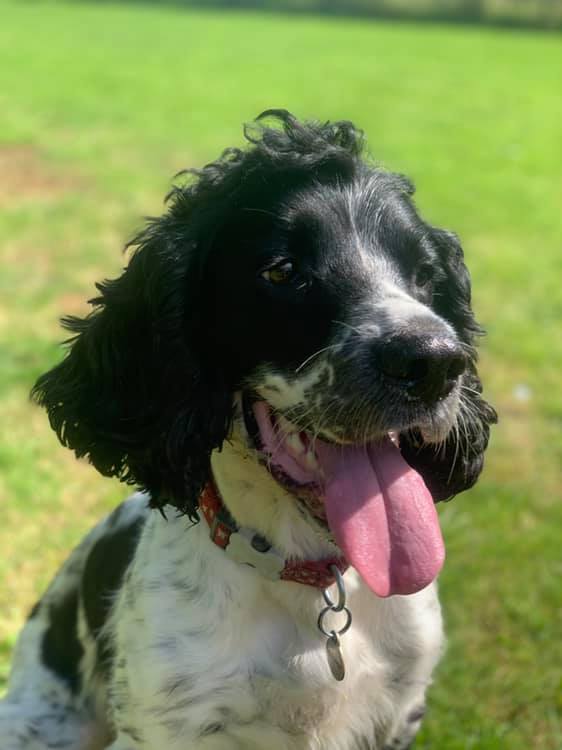
Veterinary visits are a highly stressful experience for many dogs, which is hardly surprising considering the exposure to aversive stimuli such as unfamiliar people and animals, noises, smells and diagnostic interventions. The examination of highly stressed animals poses significant challenges, raising concerns for both staff and animal welfare. To mitigate these detrimental effects veterinarians and owners alike must take responsibility for assessing and reducing canine stress within the veterinary practice. Given that behavioural responses are often stressor and context specific, it is important to develop, validate and utilise instruments specific to the environment in which they will be applied. This presentation will discuss research into currently available assessment tools and whether they are valid, reliable and fit for purpose.
Many of us will have experienced the challenges of caring for a senior dog. One of the barriers to effective early management of canine cognitive dysfunction (CCD) is the difficulty with diagnosing the condition and thus late implementation of treatment for what is an irreversible condition. A CCD diagnosis depends on veterinary assessment, often including one of several scales available, but many owners do not present their dogs to their vet until late on. This session describes how we designed and assessed three scales used for the diagnosis of CCD (CCDR, CADES and ARCAD) to create owner-friendly early screening tools for the assessment of CCD.
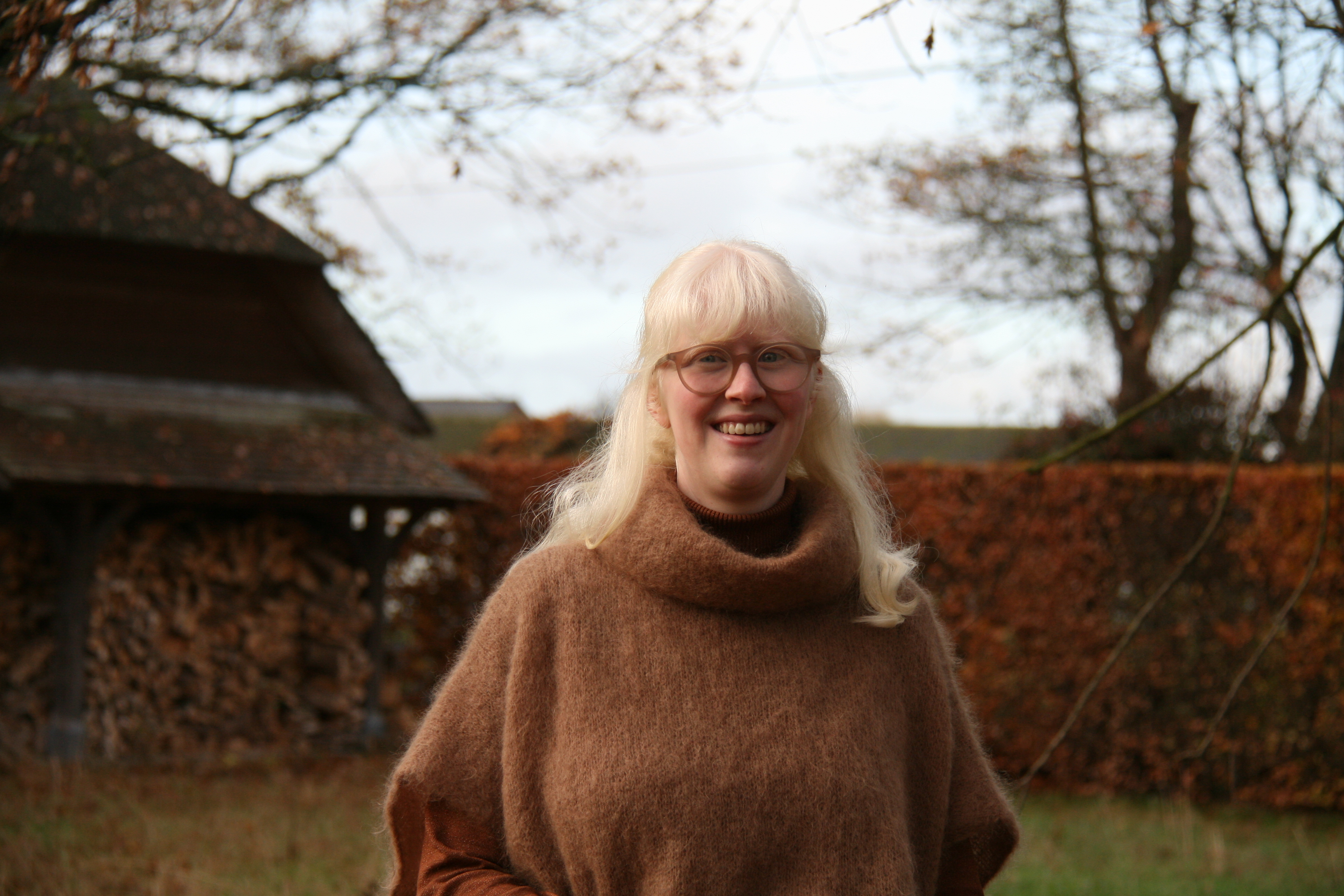
Cats are the most popular companion animals worldwide, and many households are home to more than one cat. While the flexible social nature of cats means multicat living can be beneficial for some, intercat tension is common and often goes unnoticed. In her PhD project, Morgane Van Belle researches how we can better understand the social behaviour of cats in multicat housholds via video-observation. During this session we will delve into the latest insights on social behaviour in cats, and introduce the recently developed Ethogram of Feline Social Interactions (EFSI) for scoring cat behaviour in the home.
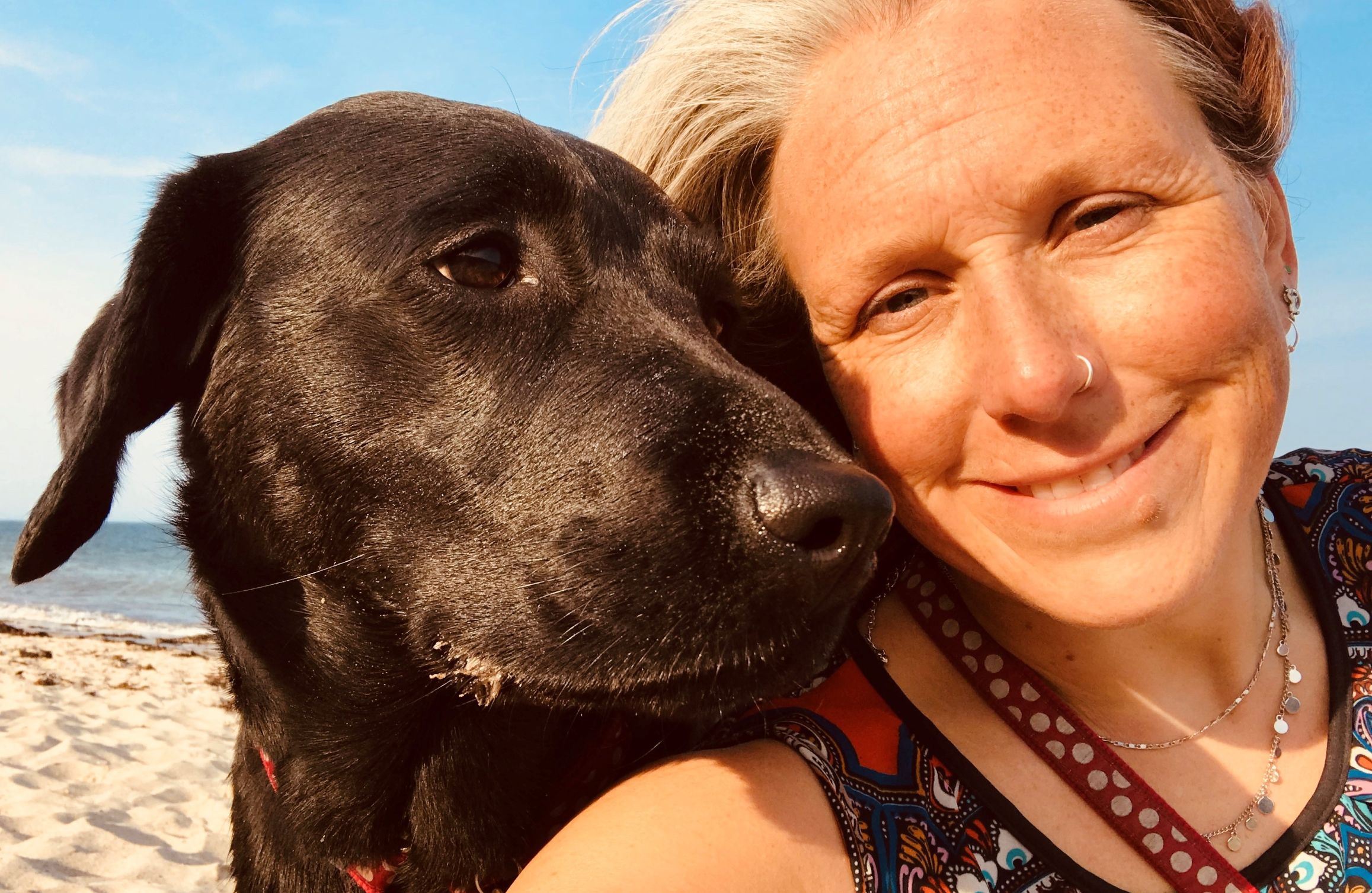
This presentation aims to help behaviourists to: • consider the interrelatedness between training and behaviour • explain technical terms for the lay owner • reflect upon helpful foundations for successful training • describe ways to provide effective client guidance and support Behaviour consultations can be so hard when you really want to give the owner the skills needed to not only manage their dog’s behaviour but to help their dog learn to overcome challenges. But as we all know that magic wand sadly doesn’t exist! Drawing on human behavioural science, this presentation will explore the foundation information to set owners on the path to effective dog training, supporting behaviour modification plan aims.
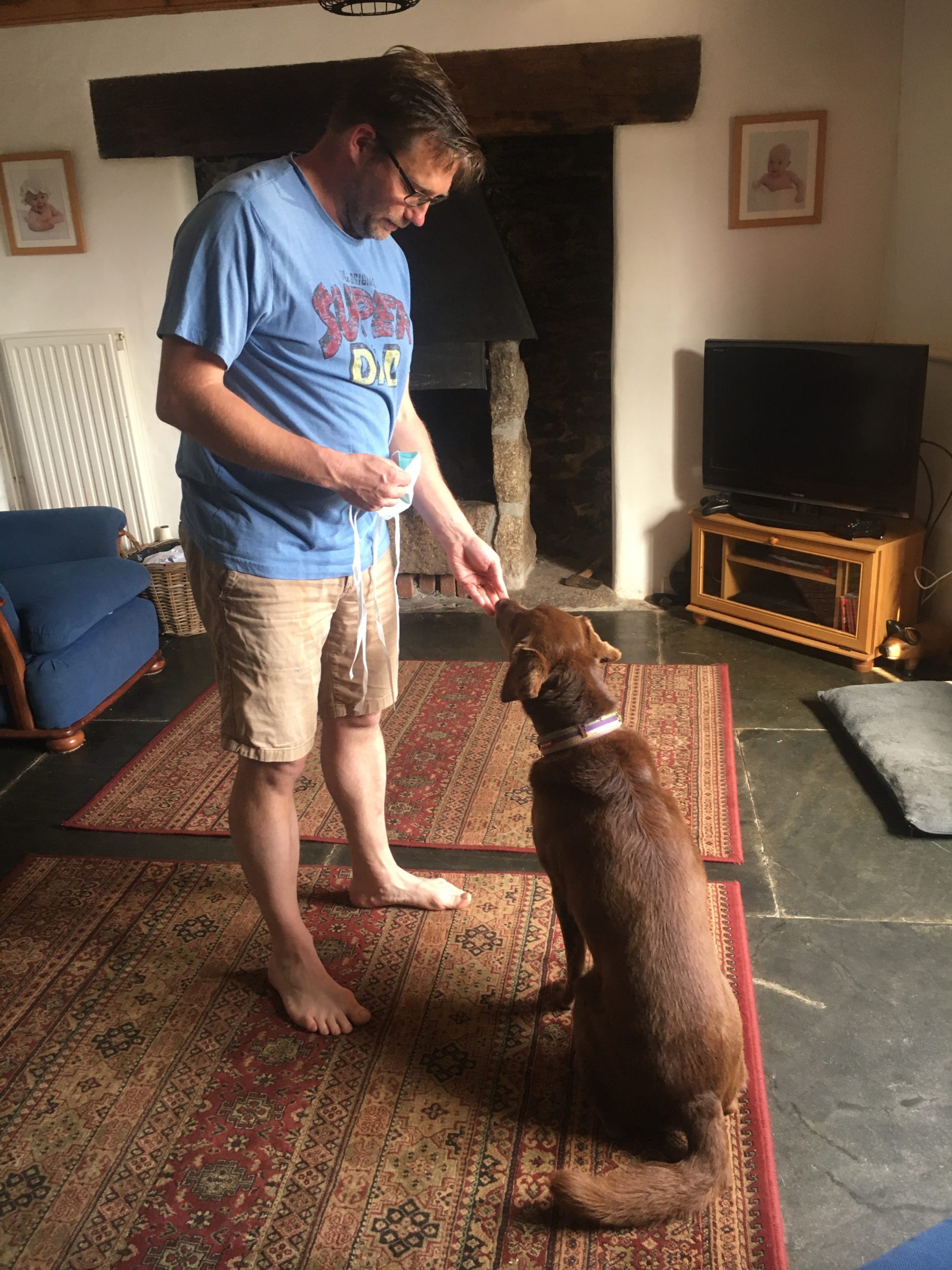
Domestic dog socioemotional behavior is shaped by a complex dialogue between heritable predispositions and individual experience. Large-scale behavioral analysis demonstrates that early-life adversity, particularly within a sensitive period before six months, significantly increases adult fear and aggression. However, these impacts are moderated by breed, suggesting genetic variance in stress resilience. Neuroimaging reveals that "problem" behaviors correlate with expansion in subcortical regions like the amygdala, whereas trainability involves cortical expansion. This talk explores how artificial selection and early environment interact to drive behavioral phenotypes. Finally, we examine how spay/neuter status significantly impacts brain anatomy, potentially further modulating socioemotional behavior.

Join us as our accountants talk through what Making Tax Digital actually means. They will provide an overview of the changes taking place, the steps you may need to make or think about, and the timings involved. There will be a chance for you to ask questions after the presentation.
Writing reports for clients post consultation is a significant part of the work of a behaviour counsellor, but it’s generally a part of our job for which we receive little formal training. It’s very easy to fall into the habit of writing a report which we as an individual would like to read, or which we feel meets some professional expectation. However, to write a report that is of greatest value to our client, in order to aid understanding and adherence, means that we should be approaching report writing from the client’s perspective. This webinar will cover a range of aspects which should assist you in creating more client centric reports.
This talk is designed for advanced candidate members on the verge of applying for their CCAB in dogs. Throughout the session, we'll delve into canine case examples to illuminate how one can develop and aptly demonstrate their practical skills. Drawing from real-world scenarios involving both dogs and their caregivers, the focus will be on: • Evaluation: Assessing and fulfilling the needs of the dog in all interactions. • Welfare Consideration: Taking into account the welfare of the dog, caregivers, and all involved parties—both in the immediate context and long-term. • Initial Dialogue: Initiating communication with caregivers to derive an initial behavioural assessment, laying the groundwork for further steps. • Goal Setting: Collaborating with the caregiver to set a mutually agreed goal for their dog. • Setting Realistic Expectations: Offering behaviour advice that's both practical and tailored to individual circumstances. • Training Techniques: Demonstrating training or coaching caregivers in the practical aspects of behaviour modification. Concluding the session, attendees will be better equipped in showcasing their clinical experience, thus significantly enhancing their preparedness for the CCAB exams.
This talk is designed for advanced candidate members on the verge of applying for their CCAB in cats. Throughout the session, we'll delve into feline case examples to illuminate how one can develop and aptly demonstrate their practical skills. Drawing from real-world scenarios involving both cats and their caregivers, the focus will be on: • Evaluation: Assessing and fulfilling the needs of the cat in all interactions. • Welfare Consideration: Taking into account the welfare of the cat, caregivers, and all involved parties—both in the immediate context and long-term. • Initial Dialogue: Initiating communication with caregivers to derive an initial behavioural assessment, laying the groundwork for further steps. • Goal Setting: Collaborating with the caregiver to set a mutually agreed goal for their cat. • Setting Realistic Expectations: Offering behaviour advice that's both practical and tailored to individual circumstances. • Training Techniques: Demonstrating training or coaching caregivers in the practical aspects of behaviour modification. Concluding the session, attendees will be better equipped in showcasing their clinical experience, thus significantly enhancing their preparedness for the CCAB exams.

An Expert Witness requires an in-depth knowledge of their subject, but that’s not all. This short presentation provides an insight into the role of the Expert Witness and how it relates to the field of animal behaviour and welfare, including the legal system and what to expect if you are instructed.

The Fellowship of Animal Behaviour Clinicians are delighted to be able to invite you to our annual conference on the 6th December 2025. We have an outstanding line up of internationally recognised experts in the field of animal behaviour and veterinary medicine who will be speaking on our conference topic of "Can I cope? Do I feel Safe? A fresh look at an old problem"

When patients experience protective emotions the aim to reach a point of safety. These emotions are normal and beneficial to the individual when they occur in an appropriate context and the ability to cope with them and respond to them effectively is therefore essential. Information gathering is one way in which individuals can respond to these protective emotions and this presentation will explore the species specific ways in which they may do this. It will also discuss how miscommunication between species might lead to confusion as well as the role of information gathering when protective emotions are outside of normal limits.
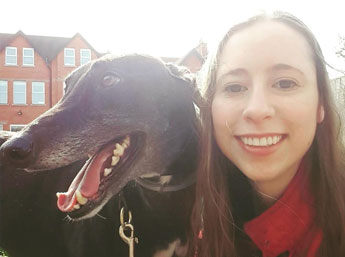
All animals need to feel physically, emotionally, and socially safe in order to have good welfare and thrive. This talk will explore how guardians can support feelings of safety in their pets as they grow and change from puppy and kittenhood, through adolescence, adulthood and into their senior years. By understanding and meeting animals’ evolving needs throughout their lives, carers can build their pets’ resilience, help them to better cope with life’s stressors, and further strengthen the human-animal bond.
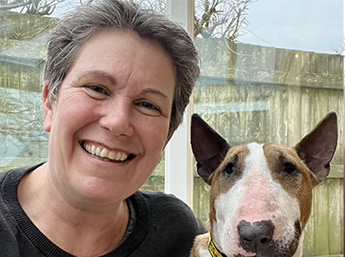
This presentation will provide a short overview of current understanding regards the gut brain axis in animals. We will then explore the impact of different processes in the body influenced by the gut bug population as to their impact on neurophysiology influencing the concepts of resilience and robustness. There will be practical considerations of whether we can assess the condition of the gut bug population effectively in animals and the types of experiences that may assist optimal gut health.

Over the last few decades there has been significant progress in improving environments for non-human animals with popularisation of the term ‘environmental enrichment’ alongside this. This session will compare and contrast the terms enrichment and optimisation and evaluate the implications of the use of each term from an animal welfare perspective. Furthermore it will suggest a reframing of enrichment towards optimisation as a baseline for good welfare and discuss considerations for this from both an ethological perspective and with examples relating to the varied environments that domesticated dogs, cats and horses live within.

Sleep science is a new and emerging field within clinical animal behaviour. This talk will discuss what we know from veterinary and human sleep medicine and research and its impact on emotional health. A practical approach to the assessment and management of sleep problems will be presented.
The Fellowship of Animal Behaviour Clinicians (FABC) is collecting your data in order to fulfil your conference, event and/or webinar booking, along with payment for such event with FABC’s appointed online merchant provider, Paypal. Your payment details will be held and processed by PayPal and will not be recorded of kept by the FABC. By providing your personal data (name and email address) you are giving consent to the FABC to fulfil your conference or webinar booking made via our web site and Paypal. The FABC will use your email address to enable delivery of your order and to correspond with you regarding your event booking. The FABC will not share your personal details with a third party or use your personal details for any reason other than to fulfil your order. Your personal data will be held on a secure computer, cloud and webserver, and destroyed within 31 days of webinar broadcast or other event taking place, unless you give us permission to retain and securely store your data for other purposes, such as to correspond with you about future FABC events. Your data will not be shared with any other party without your consent. You may request for your personal data to be deleted from our records at any time by contacting FABC at office@fabclinicians.org .